Luge
Singles and Doubles
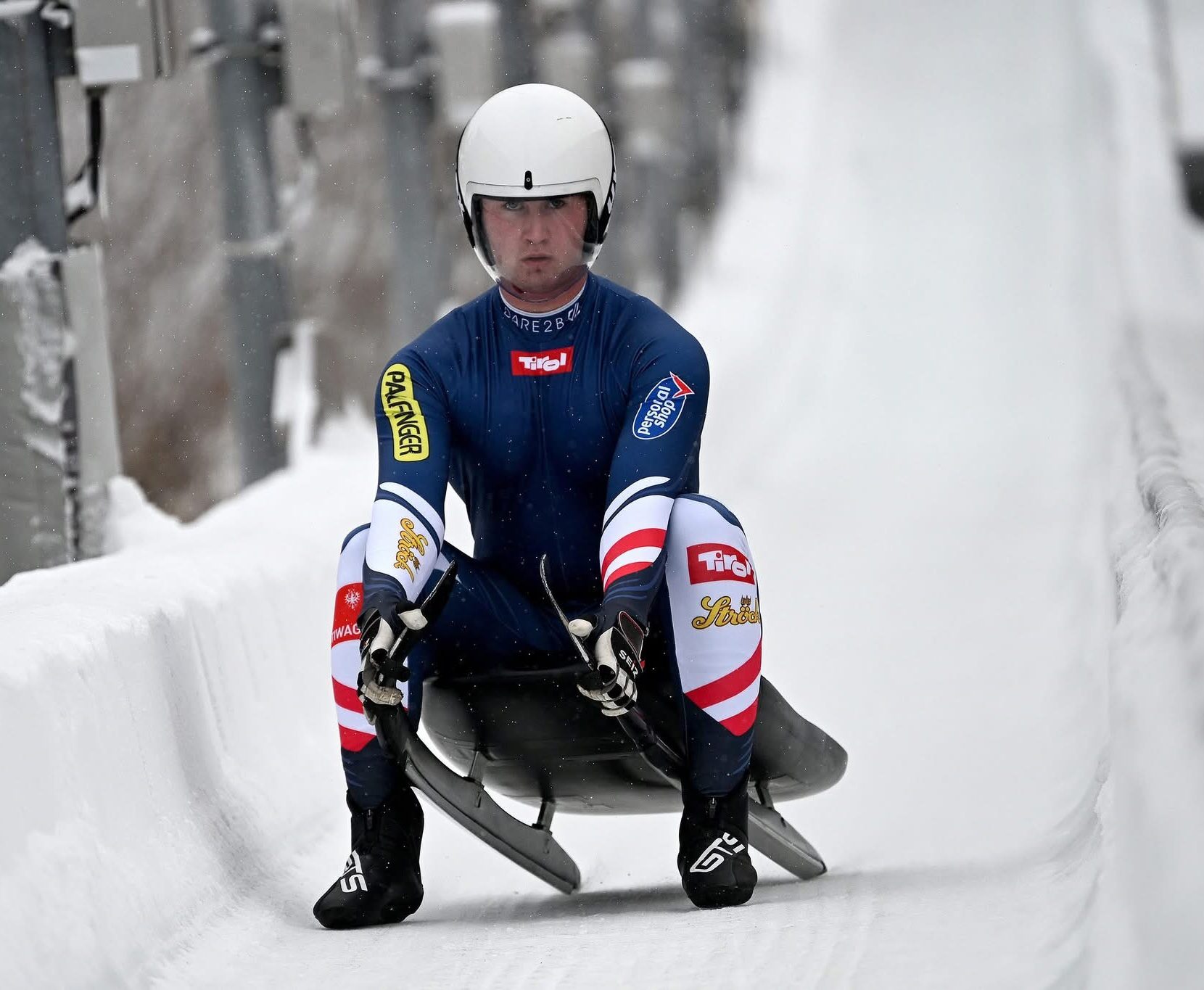
Luge on artificial and natural tracks developed historically alongside one another. When luge became an Olympic discipline in 1964, artificial tracks also began to be built. Competitions are held in three disciplines: Singles (women and men) und Doppelsitzer (women and men). World Championships have been held since 1955 and now take place annually. No World Championships are held during an Olympic season
Skeleton
All Disciplines
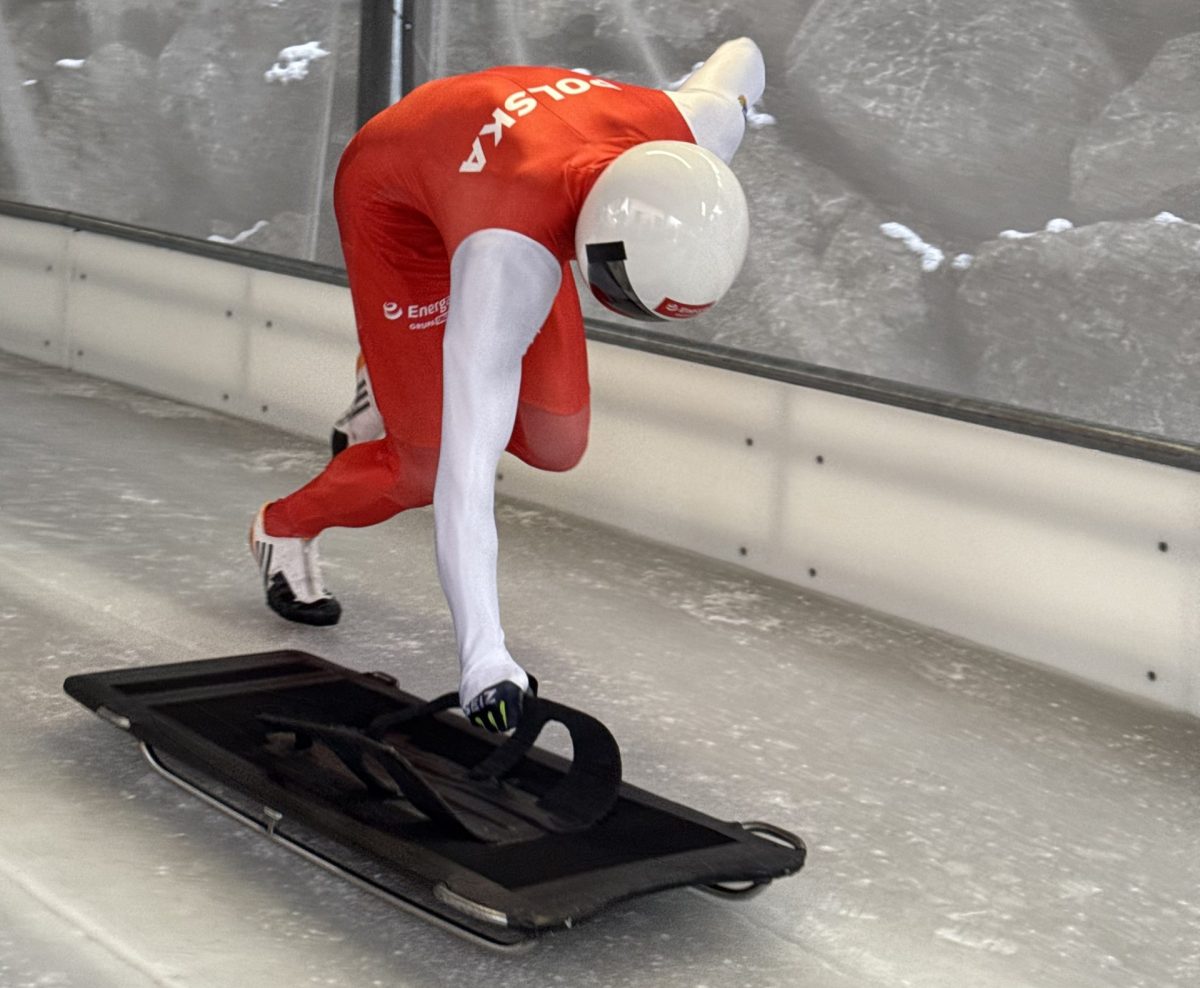
Skeleton originated in Switzerland. In 1884, a group of British sportsmen led by W. H. Bulpett built an ice track between St. Moritz and Celerina. On 16 February 1885, the first of the legendary Cresta races, the “Grand National”, was held. In 1887, the first athlete ventured down the track lying head-first. Skeleton on the “Cresta Run”, which was largely reserved for an elite circle, gave rise to bobsleigh towards the end of the 19th century and, almost a century later, to skeleton racing on bobsleigh tracks.
In skeleton, athletes race down ice tracks lying face down and head-first, reaching speeds of up to 145 km/h.
.
Bobsleigh
Monobob and Two-Man Bobsleigh
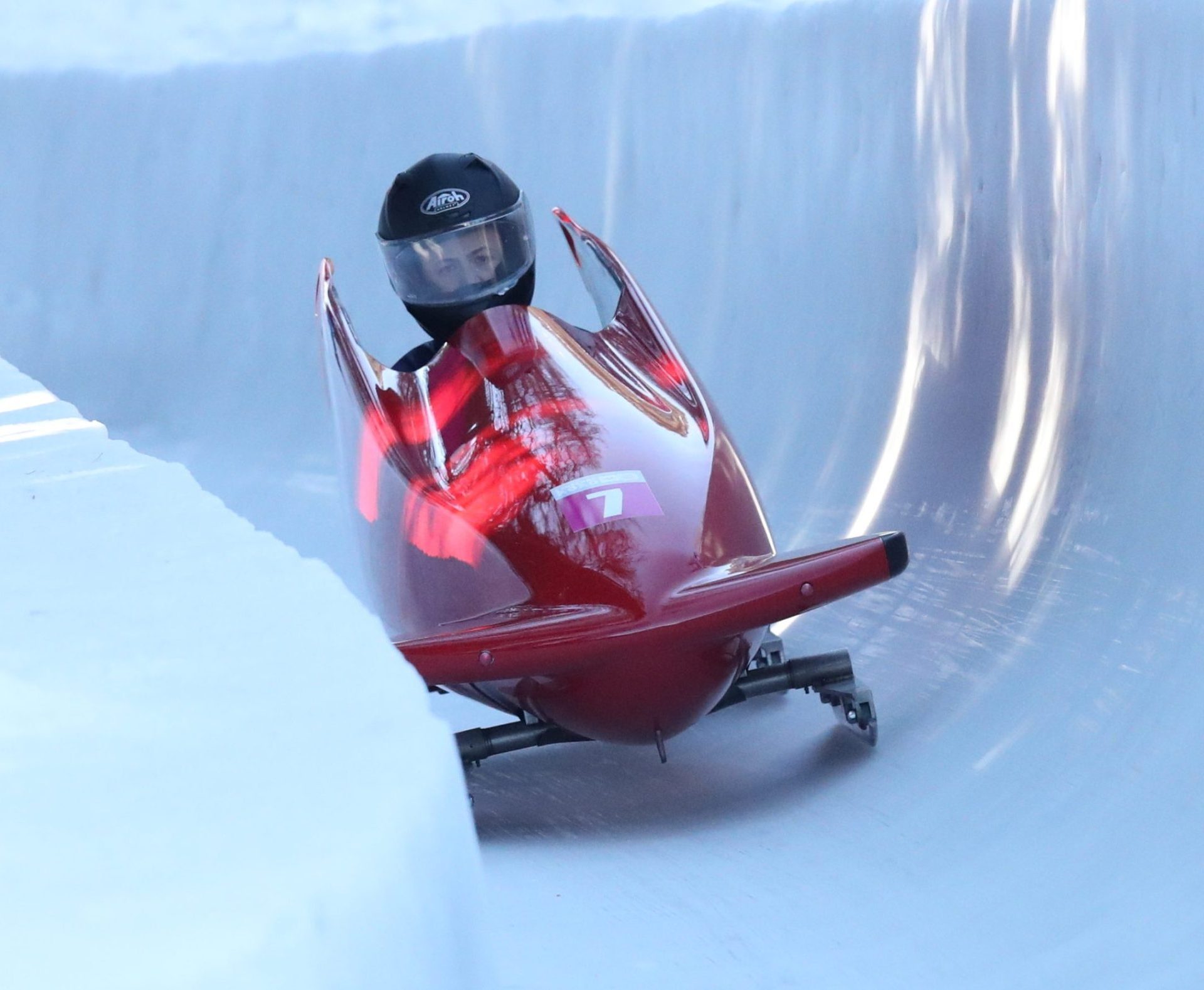
In 1888, Wilson Smith developed the bobsleigh. He was the first to mount two sleds beneath a board, with the front sled steered using ropes. Following this innovation, the first races were held on natural luge tracks, mostly on forest roads originally used to transport timber by sled during the winter. The sides of the tracks were bordered by banks of snow.
Bobsleigh has been a permanent part of the Olympic programme since 1924. The first European Championships were held in Ilmenau, Germany, in 1935. Women’s Two-Woman Bobsleigh World Championships have been held since 2000. With the 2002 Olympic Winter Games in Salt Lake City, USA, women’s bobsleigh also became part of the Olympic programme.